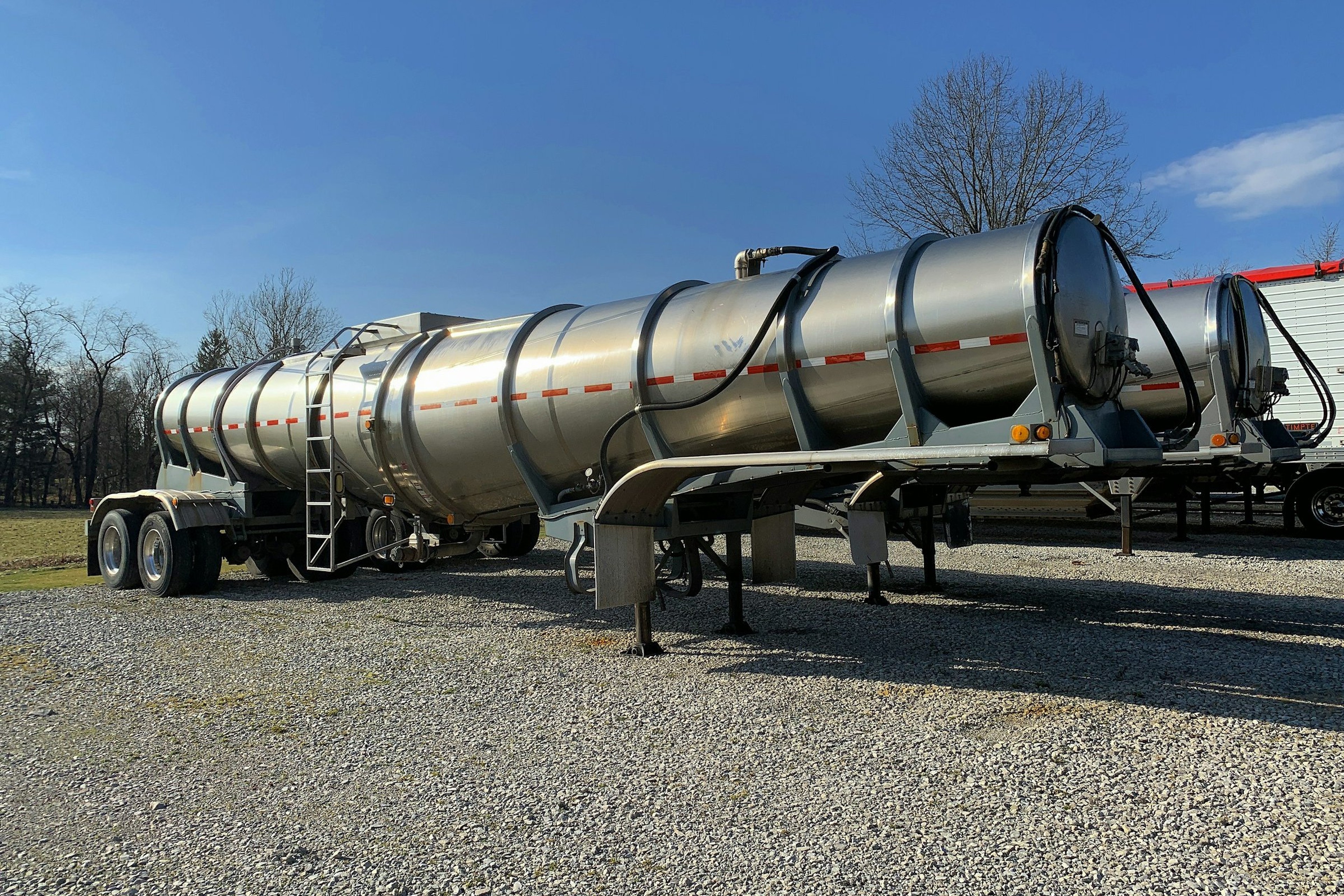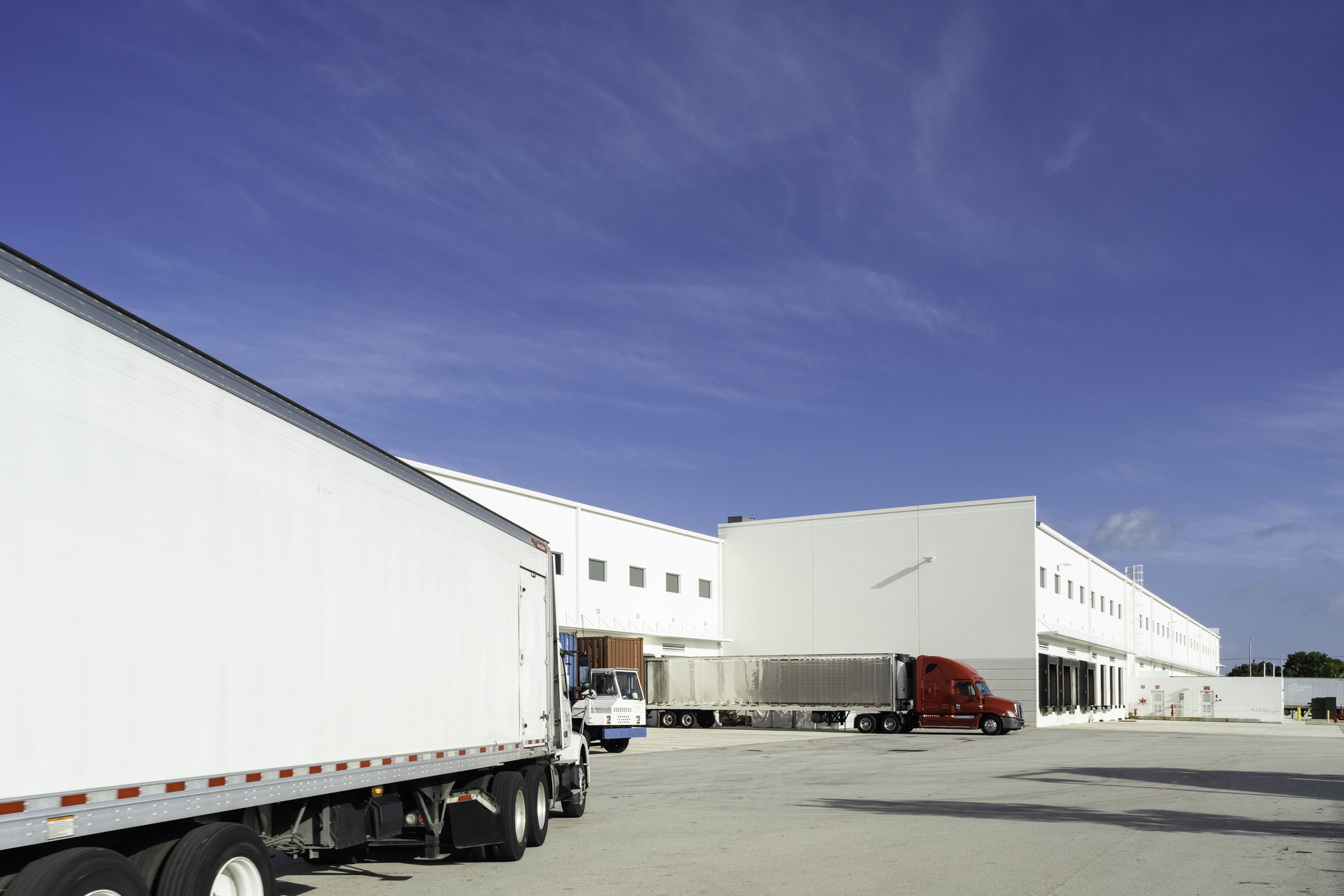
Let’s see a first overview of the painpoints in the loading and unloading docks process and how a tiny tool named dock appointment scheduling can help.
Introduction to Dock Appointment Scheduling
Imagine a bustling warehouse in the heart of the United States' logistics network, where every minute counts, and efficiency is the name of the game. This is where the magic of dock appointment scheduling comes into play, transforming chaos into order, and inefficiency into precision. Dock appointment scheduling is not just a process; it's the backbone of modern freight logistics, ensuring that goods are loaded and unloaded with unmatched efficiency. Let's dive into the world of dock appointment scheduling, where every second on the clock is a step towards a more streamlined, efficient, and productive supply chain.
The need for dock appointment scheduling
In the fast-paced world of logistics and trucking, managing the flow of trucks to and from loading docks is a monumental task.
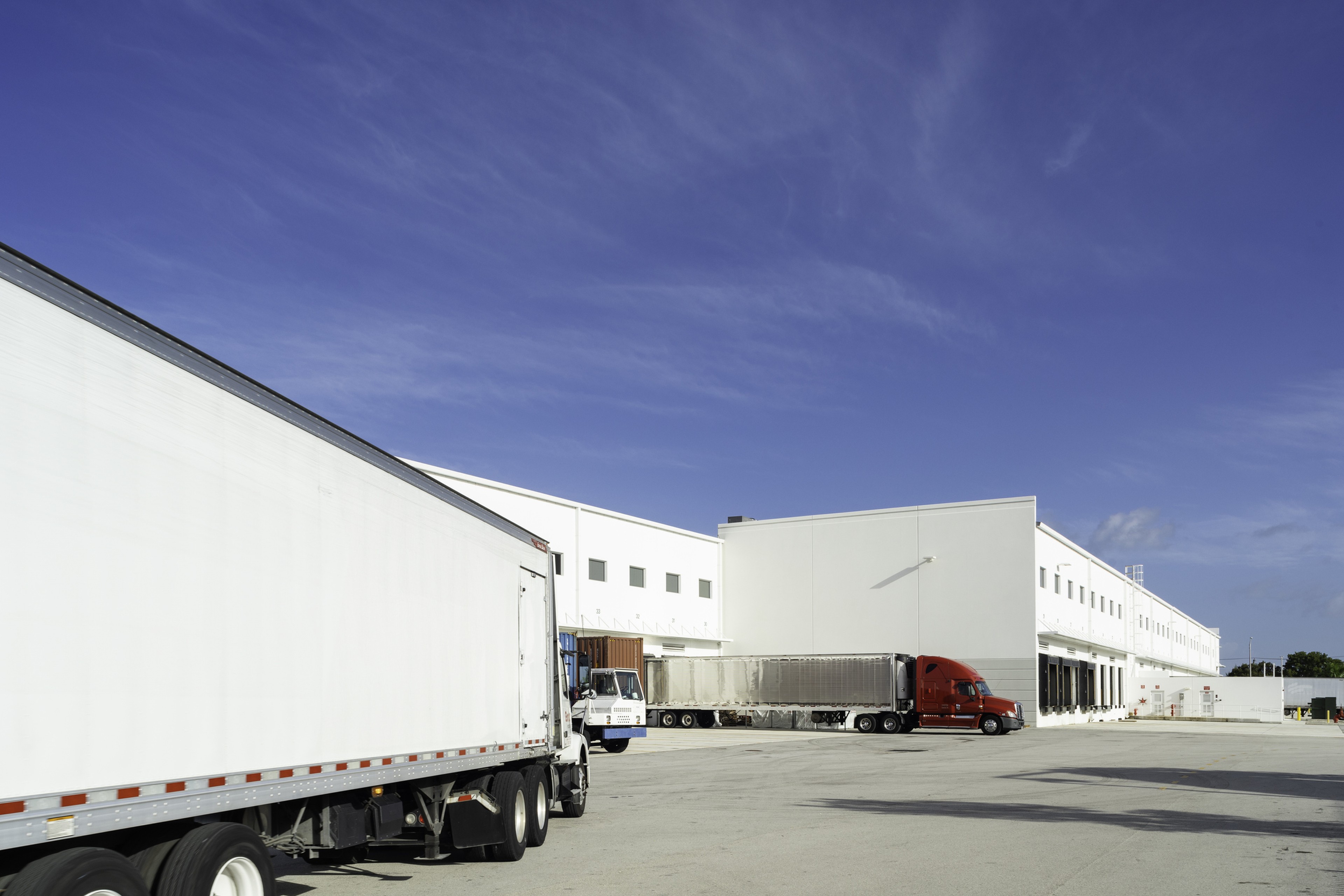
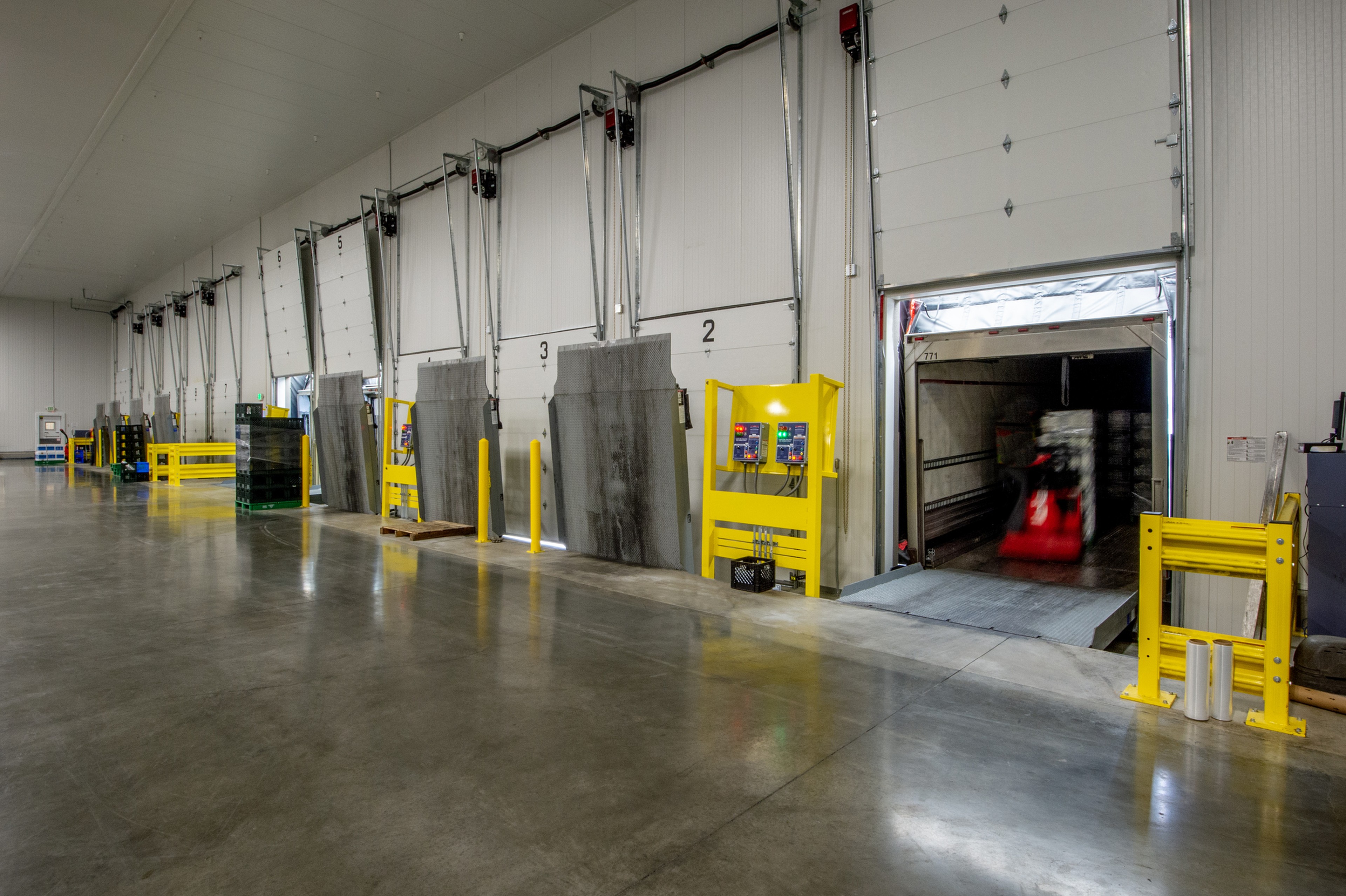
If you need to take a look at the docks we are talking about, they look just like this, outdoors and indoors.
Coordinating dock times by phone and email between shippers, carriers and freight brokers often leads to:
congestion
delays
claims and disputes (accidents due to lack of security, trucks or goods damaged, people injured)
frustration (high level of stress for the teams).
Dock appointment scheduling appears as a solution to these challenges, providing a structured and time-specific approach to managing dock operations. But what is it? What does it look like?
How does dock appointment scheduling work?
Dock appointment scheduling systems allow carriers and warehouse operators to book specific times for loading or unloading goods.
This system is powered by sophisticated software that coordinates appointments, ensuring that docks are utilized efficiently, reducing wait times, and optimizing the overall flow of goods.
What does it look like?
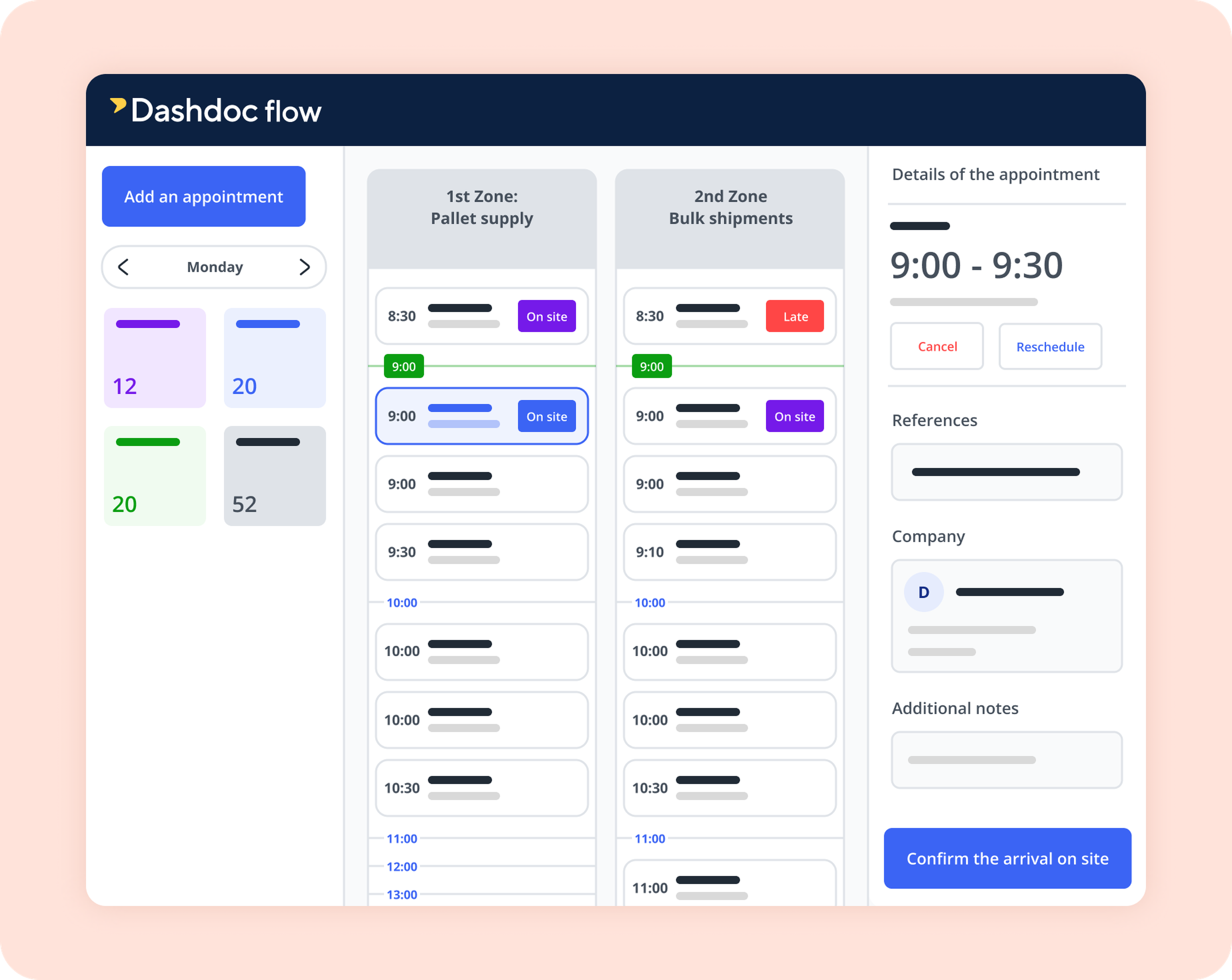
It’s software that can connect to your Transport Management System or your Warehouse Management System. It is a simple platform where your partners can book a slot on parameters you have settled before. See the picture below that offers you an example with Dashdoc Flow platform.
What are the benefits of a dock appointment scheduling system?
If you manage a logistics site and have to deal with a daily peak in activity with the arrival of trucks, discover the benefits of the dock appointment scheduling:
Reduced Wait Times: Drivers can arrive at their scheduled times, significantly cutting down on idle waiting periods.

Increased Efficiency: Warehouses can plan their staffing needs based on the scheduled appointments, ensuring that resources are optimally utilized.
Improved Carrier Relationships: Carriers appreciate the predictability and structure, leading to smoother operations and stronger partnerships.
Enhanced Safety: With fewer trucks idling and waiting, the risk of accidents and congestion around the warehouse premises is significantly reduced.
How to implement dock appointment scheduling?
First things first: choose the tool that best fits your operation.
Choosing the Right Software
It is not as easy as it seems. In small organizations, the person in charge of the docks usually does the research. But in big logistical sites, a project manager will have to dive into the market and compare.
Key features to be looked after:
scalability
ease of use (time to adapt all the teams to the tool)
integration capabilities (does it connect with your essential tools?)
real-time updates.
Training and adoption
Ensuring that staff and carriers are well-versed in using the system is crucial for success.
"Dashdoc Flow is a professional, well-run project. The support is great, and there's real collaboration with the carriers. Our supervisors save 2 to 3 hours a week.” — Clément Loisy, Process and Methods Manager, DHL (European distribution site)
Monitoring and adjusting
Continuous monitoring allows for adjustments to be made, ensuring the system evolves with the changing needs of the warehouse and its partners.
What if my team still sees dock scheduling appointments as a challenge?
First, accept that it is hard to convince everyone of the benefits, it will, for sure, take some time to overcome the resistance to change just as for any major change in a company or in a system.
If you can, choose a team leader that is convinced by the project and will support the change from inside the team
Choose a “quiet” period to implement the tool so your team won’t add another stress to their daily tasks in a time of “rush”.
Second, you have to prepare the field before the tool comes along.
Technology Integration: ensure the new system integrates seamlessly with existing logistics and inventory management systems is vital.
The adoption of dock appointment scheduling is a game-changer for US trucking and warehousing, offering a beacon of efficiency and coordination in the complex logistics landscape. By embracing this innovative approach, warehouses and carriers can unlock unprecedented levels of productivity and satisfaction.
The future of efficient logistics is here, and it's time to be a part of it.